

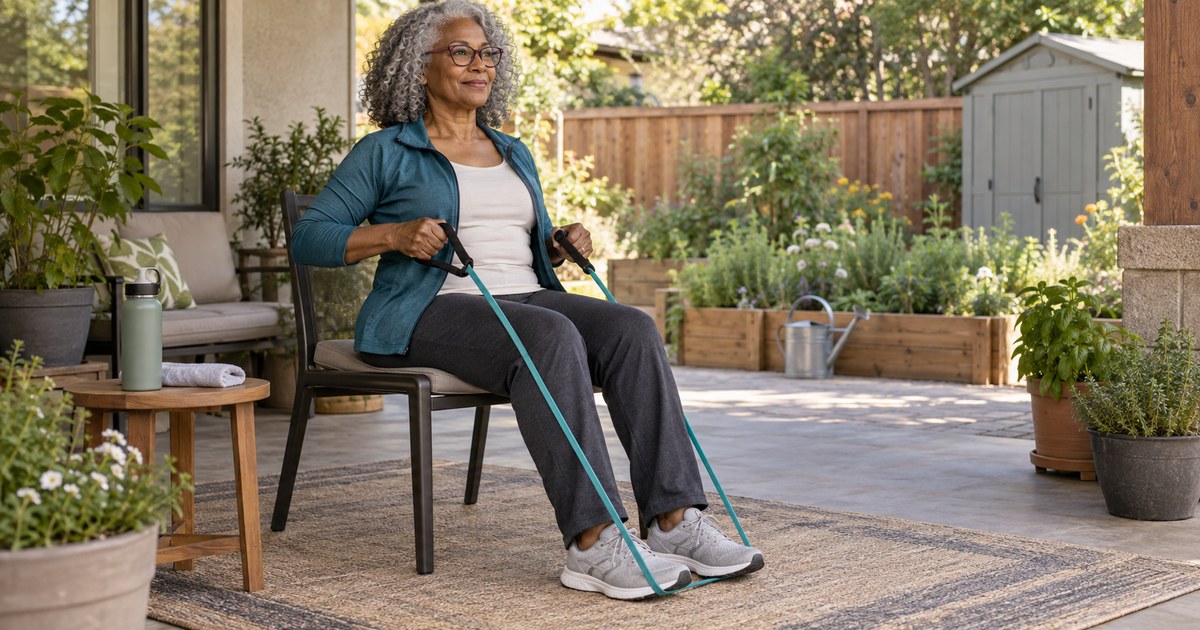
A sustainable fitness plan should fit your current health, ability, schedule and preferences. It does not need to punish you, change your clothing size or leave you exhausted to count. Starting below your maximum and building gradually is often the safer route to consistency.
This guide offers general education, not individualized medical advice. If you have symptoms, a chronic condition, a recent injury, are pregnant or are returning after a long break, ask a qualified health professional what types and amounts of activity fit you.
Start with the public-health target, not a perfection target
The CDC’s current physical activity guidance for adults recommends at least 150 minutes of moderate-intensity aerobic activity each week, or 75 minutes of vigorous activity or an equivalent mix, plus muscle-strengthening activity on at least two days.
That is a weekly health guideline, not a requirement to complete 30 hard minutes every day. Activity can be spread across the week and divided into smaller chunks. The CDC also emphasizes that some activity is better than none.
Choose goals unrelated to appearance
Fitness can support daily function, mood, sleep, balance, strength, endurance and the activities you value. Weight and clothing size do not reliably measure all those changes.
- Walk comfortably to a nearby shop.
- Carry groceries with less strain.
- Rise from a chair with more control.
- Join a social activity without feeling depleted.
- Protect bone, heart and muscle health.
- Have more options for stress relief.
Our guide to feeling more comfortable in your body offers ways to reduce appearance pressure while caring for yourself.
Build gradually
The federal Physical Activity Guidelines for Americans advise inactive people to “start low and go slow,” first increasing how often and how long they move before increasing intensity. The right rate depends on age, experience, fitness and health.
Change one variable at a time: duration, frequency, resistance, distance or pace. If you add time this week, keep the effort comfortable. If you increase resistance, shorten the session or add recovery.
Easy
You can speak comfortably and feel that you could continue.
Moderate
Your breathing is faster, but you can still talk in sentences.
Vigorous
Conversation is difficult; this is not the right starting level for everyone.
Recovery
Effort decreases so your body can adapt before the next challenge.
Use a simple weekly mix
A balanced routine may include aerobic movement, strength, mobility and—especially for older adults—balance work. Walking, wheelchair rolling, cycling, dancing, swimming, gardening and active household tasks can all contribute depending on intensity and ability.
Strength work can use resistance bands, body weight, handheld weights or machines. There is no universal requirement to perform exactly three sets of 8–12 repetitions. Technique, load, goals and health status matter. A trained professional can help adapt movements.
Protect technique without chasing perfection
Use a range of motion you can control, stable equipment and enough space. Stop a set when technique changes substantially or you cannot complete the movement safely. Sharp, sudden or worsening pain is not a badge of effort.
For a new activity, learn the movement with light resistance. Videos can miss individual needs, so consider a qualified physical therapist or certified exercise professional if pain, disability or unfamiliar equipment complicates the task.
Plan recovery
Recovery is part of training. Sleep, adequate food, hydration and easier days help the body adapt. Ordinary muscle fatigue can occur after a new activity, but severe pain, swelling, loss of function or symptoms that keep worsening deserve assessment.
Rotate activities when appropriate and avoid sudden large increases in one repetitive movement. Shoes, visibility, weather, surfaces and safe equipment also affect risk.
Adapt for chronic conditions and disability
The CDC’s guidance for adults with chronic conditions or disabilities says people who are able can work toward the same broad weekly targets, while stressing that some activity is better than none and that a health professional can advise on suitable types and amounts.
Adaptation may mean seated movement, shorter bouts, extra rest, lower impact, a mobility aid, supervised exercise or a different target. The aim is access and benefit, not proving toughness.
Know when to stop and seek care
Stop exercising and seek urgent medical care for symptoms such as chest pressure, fainting, severe shortness of breath, sudden weakness or signs of a serious injury. Local emergency guidance applies. For less urgent but persistent symptoms—pain, dizziness, unusual breathlessness or swelling—pause and contact a clinician.
Heat and cold also matter. Adjust time, route, clothing, fluids and intensity to conditions. Never use a generic plan to override a clinician’s restrictions.
Watch for an unhealthy relationship with exercise
Excessive or compulsive exercise is not simply “working hard,” and it should not be diagnosed from one habit. The National Eating Disorders Association lists warning signs such as exercising despite injury or illness, intense distress when unable to exercise, rigid routines, using exercise to compensate for eating and withdrawal from relationships.
NEDA’s excessive exercise guidance notes that the term is not a formal DSM-5-TR diagnosis and can be connected with eating disorders. If exercise feels driven, secretive or impossible to reduce, contact a clinician or eating-disorder specialist rather than adding more discipline.
Make consistency easier
- Choose movement you can access and do not hate.
- Put a small session on the calendar with a backup option.
- Prepare clothing or equipment in advance.
- Track function, energy or attendance instead of calories burned.
- Review the plan after two to four weeks.
Our stress-reduction guide can help you build a broader set of coping tools so exercise does not carry the entire burden.
Progress is personal
Fitness changes are rarely linear. Illness, travel, caregiving, pain and motivation can alter a week. Resume at an easier level after a break rather than trying to “make up” missed workouts.
A good plan leaves room for your life. It builds capacity gradually, responds to warning signs and supports health without turning movement into punishment.
Frequently asked questions
How much exercise do adults need?
Current U.S. guidance recommends at least 150 minutes of moderate aerobic activity weekly, or 75 minutes vigorous or an equivalent mix, plus muscle strengthening on at least two days. Some activity is better than none.
How should a beginner start exercising?
Start with light or moderate activity you can manage, then gradually increase duration and frequency before intensity. Individual health and ability should guide the pace.
Is soreness after exercise normal?
Mild temporary soreness can occur after unfamiliar activity. Severe, sharp, worsening or persistent pain, swelling, loss of function or systemic symptoms deserve medical assessment.
Do I have to exercise every day?
No. Weekly activity can be spread across the week, and recovery is part of a sustainable plan. Your schedule should reflect your health, goals and medical advice.
Can people with disabilities follow fitness guidelines?
Many can work toward broad guidelines with adaptations, but suitable activity varies. Some movement is better than none, and a clinician or physical activity specialist can help individualize a plan.
What are warning signs of compulsive exercise?
Possible signs include continuing despite injury or illness, intense guilt or distress when resting, rigid exercise, compensating for eating and withdrawing from relationships. Seek professional support rather than self-diagnosing.
This article seems to exaggerate the risks of over-exercising. While injuries can occur, a lack of effort is a far more common issue among casual exercisers. A little more encouragement to push one’s limits wouldn’t hurt.
So what you’re saying is, my superhero gym routines were actually my villain’s plot to destroy me? I knew there was something fishy about those cape-wearing personal trainers!
Maybe that explains why my cape got caught in the treadmill! Stick to realistic goals, folks.
Exactly! Plot twist: Your gym is run by supervillains. Better stick to moderate workouts to save the world (and yourself)!
Did you know that exercise also promotes neurogenesis and enhances cognitive function? The article missed out on some fascinating benefits of exercise beyond physical health.
Great point! The mental benefits of exercise are often under-discussed. A holistic view of fitness includes both body and mind.
Oh, the irony of working out to stay healthy and ending up in the ER. Seems like the universe has a twisted sense of humor!
The piece provides a refreshing perspective on exercise. It’s often easy to forget that moderation can be more beneficial than overexertion. Balance truly is the key to long-term success.
Absolutely, moderation is essential. Pushing too hard can lead to setbacks that defeat the purpose of exercising in the first place.
Moderation might be key for some, but for others, pushing the limits is what keeps them motivated. Different strokes for different folks!