

No ritual, visualization or “sign” can guarantee when love will arrive or who will choose a relationship with you. You can, however, create more opportunities to meet compatible people, communicate clearly and notice how a connection works in real life.
The aim is not to make yourself constantly available or turn every activity into a partner search. It is to build a wider, safer social life while keeping romance one possible outcome rather than the price of a meaningful life.
Define relationship values, not a fantasy person
Start with the qualities of the relationship rather than hair color, income, hobbies or a cinematic first meeting. Ask:
- How do we handle disagreement and repair?
- Can both people say no without punishment?
- Are affection, independence and communication expectations compatible?
- Do our plans for money, children, caregiving, location and commitment fit?
- Do I feel respected, understood and free to be honest?
Keep a short list of essentials, flexible preferences and genuine deal-breakers. “Do not be picky” is poor advice when the issue is safety, consent, values or a life-changing goal.
Make room emotionally without erasing an ex
You do not have to forget a former partner before meeting anyone new. You do need enough capacity to treat a new person as themselves—not as a replacement, comparison tool or message to your ex.
Return or divide shared property by agreement. Keep, store, donate or sell your own items according to what is practical. Do not discard someone else’s belongings or force yourself to erase meaningful history on a deadline. Our grounded breakup-recovery prompts can help distinguish reflection from rumination.
Do not spend money preparing for an imaginary partner
A king-size bed, paired décor or an empty closet does not attract a relationship. Arrange your home for the life you live now, your budget, access needs and the people who already visit. If a relationship later becomes serious, discuss shared space together.
Small changes may still support connection: create a comfortable place for a friend to sit, keep needed repairs manageable, or choose lighting that makes you feel at ease. These are benefits for your present life, not purchases made to signal fate.
Build a social ecosystem
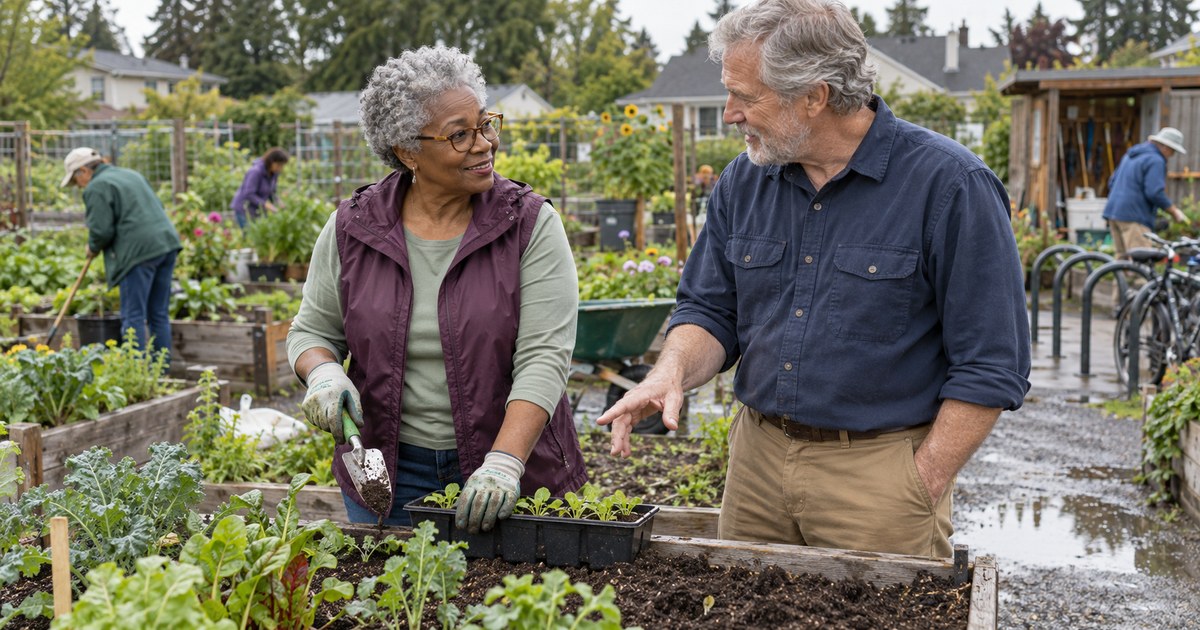
Choose recurring activities you would value even if no date appears: a walking group, language class, community garden, book club, volunteer shift, faith community, sports league or arts program. Repetition gives people time to become familiar without forcing instant intimacy.
The National Institute on Aging’s tips for staying socially connected include restarting a hobby, taking a class, joining community activities and nurturing existing relationships. Its guidance is broader than dating, which is the point: friends, neighbors and purposeful activity matter whether or not romance develops.
Set a modest target such as attending twice, introducing yourself to one person or inviting a group member for coffee. Respect settings where people are working, receiving care or cannot freely disengage.
Use dating apps with boundaries
Choose a platform that fits the kind of connection you want. Share enough for a real conversation without publishing your address, workplace schedule, financial details or children’s identifying information.
Before meeting, use the app’s safety tools, tell a trusted person, arrange your own transportation and choose a public place. Leave whenever you want. A match, long chat or paid meal does not create an obligation to touch, kiss or continue.
Move slowly when someone asks for money, cryptocurrency, gift cards, bank access or help with an emergency. The Federal Trade Commission’s romance-scam guidance advises never sending those forms of payment to an online love interest. Verify independently and talk with someone you trust before acting.
Flirt as an invitation, not a decoding game
Make one warm, low-pressure opening and notice whether the other person participates. Smiling, friendliness, clothing or eye contact does not prove romantic or sexual interest. Ask clearly before a date or physical contact, and receive hesitation as a reason to pause.
Our guide to respectful flirting, consent and boundaries gives sample language for offering a number, asking someone out and accepting no without argument.
Evaluate responsiveness over intensity
Early chemistry can be exciting, but intensity does not establish trust. Notice whether words and actions align over time. Does the person listen, remember important concerns, respect limits, communicate changes and make room for your needs?
Relationship research describes perceived responsiveness—the sense that another person understands, values and cares for you—as important to relationship quality. Studies of responsiveness and interpersonal goals found reciprocal patterns in roommate dyads. That work does not supply a compatibility test, but it supports looking at an ongoing process rather than a dramatic promise.
Keep your pace proportional to the evidence
A new connection does not need immediate exclusivity, financial entanglement, travel, cohabitation or access to private accounts. Let commitment grow through repeated, voluntary choices.
- First, confirm basic identity, availability and intentions.
- Then observe consistency across ordinary situations.
- Discuss exclusivity rather than assuming it.
- Delay shared money, housing or legal obligations until both understand the risks.
If pressure, surveillance, threats, sexual coercion or isolation appears, prioritize safety and specialist support over preserving the connection.
Build a life that is not on hold
You do not have to adore every part of yourself before being worthy of care. People can be loved while grieving, insecure, disabled, healing or uncertain. Self-respect can help you notice boundaries, but it is not an entry fee another person gets to judge.
Buy yourself flowers if you enjoy them. Travel if it suits your budget and safety. Celebrate a holiday or ignore it. Do these things because they fit your life, not because they broadcast a signal to the universe.
No method can promise wild passion “as soon as possible.” A better plan increases contact, protects choice and looks for reciprocity. If romance grows, it grows between two real people—not between one person and a prediction.
Frequently asked questions
Can manifestation guarantee that I will meet a partner?
No. Reflection may clarify what you want, but it cannot control timing or another person’s choices. Focus on opportunities, communication and observable compatibility.
Do I need to forget my ex before dating again?
No fixed rule applies. You need enough capacity to treat a new person fairly and respect current boundaries; grief or memories do not have to disappear completely.
Should I redecorate or buy a larger bed to attract love?
No. Arrange your home for your present needs and budget. Make decisions about shared space with an actual partner when the relationship reaches that stage.
Where can I meet potential partners offline?
Try recurring activities you genuinely value, such as classes, volunteer work, community groups, sports, arts or faith communities. Participation increases contact but does not guarantee romance.
How can I date online more safely?
Protect identifying and financial information, meet in public, arrange your own transportation, tell someone you trust and never send money or financial access to an online love interest.
What matters more than immediate chemistry?
Look for mutual consent, consistency, respect, responsiveness, compatible goals and the ability to handle ordinary disagreement. Intensity alone does not establish trust.
This article takes a refreshing approach to self-love and preparation for future relationships. The emphasis on self-improvement and maintaining optimism is truly inspiring. Kudos to the author for highlighting the importance of inner happiness!
While the sentiment of the article is well-intentioned, one must argue that focusing solely on ‘magical strategies’ undermines the complexity of human relationships. Finding love requires a balance of emotional readiness and realistic expectations, not just symbolic gestures.
Ah, so the secret to finding love is essentially a blend of interior design and stage acting! If only it were that simple. Maybe next time, they’ll suggest we start carrying a boombox playing romantic tunes everywhere we go. On a serious note, self-love and readiness do matter, just not in such a theatrical manner.
This seems overly simplistic and somewhat naive. Just buying a king-size bed and imagining yourself in love won’t necessarily attract a soulmate. Real relationships require effort, communication, and compatibility, not just wishful thinking and home décor changes.
It’s interesting to see how visualization techniques and physical preparations can potentially influence one’s mindset towards love. Similar concepts are discussed in various psychological and self-help literature, suggesting a possible link between environment and emotional state.