

The familiar list of nine angelic choirs is an influential Christian theological system, not a single description presented in one biblical passage and not a universal map shared by every religion. Its best-known form comes from the late-antique work The Celestial Hierarchy, attributed to the author now called Pseudo-Dionysius.
Readers can value this tradition devotionally, historically or artistically while still distinguishing scripture, later interpretation and modern invention.
Where the nine-choir system comes from
Biblical texts use several names for heavenly beings and powers in different contexts. Centuries later, Pseudo-Dionysius arranged nine names into three groups of three. In The Celestial Hierarchy, the author explicitly describes “nine interpretative names” and three threefold orders.
This synthesis became deeply influential in Eastern and Western Christian thought, theology, liturgy, poetry and visual art. Influence does not make every later detail scriptural or uniformly accepted. Translations also vary: dominions may be called lordships, powers may overlap with authorities, and “choirs” is a common devotional label rather than a biological category.
The first triad: seraphim, cherubim and thrones
Seraphim
Seraphim are associated with Isaiah’s temple vision, where six-winged beings praise God. Later theology places them nearest the divine presence and connects their fiery name with love or purification. Claims that exactly four exist or that they routinely appear as tall, neatly dressed humans are not established by that passage.
Cherubim
Cherubim appear in several biblical settings, including imagery around sacred space and the divine throne. They should not be confused with the plump winged children common in later European art. Statements that named figures such as Zophiel or Rikbiel hold one fixed office belong to particular later traditions, not a universally agreed list.
Thrones
“Thrones” appears among terms for powers or authorities in New Testament letters. Later interpreters connected the order with divine judgment and stability. Wheel-and-eye imagery is often linked with Ezekiel’s visions, but identifying every element of that vision as a literal portrait of one angel type is an interpretation.
The second triad: dominions, virtues and powers
Dominions
Dominions or lordships are placed at the head of the middle triad in the Pseudo-Dionysian arrangement. Later summaries describe them as ordering or governing lower ranks. That theological symbolism does not verify claims that they transfer power to earthly politicians.
Virtues
“Virtues” reflects a traditional translation of a term associated with powers or mighty works. Medieval and later writers connected this choir with strength, grace or miracles. The idea that virtues physically appear as scientists, artists or healers is a modern elaboration, not a fact that can be checked from appearance.
Powers
Powers are commonly described in later angelology as resisting disorder or spiritual evil. Artistic depictions may make them martial. Claims that they look like fumes or individually control birth and death should be presented, if at all, as material from a named source—not as settled teaching.
The third triad: principalities, archangels and angels
Principalities
Principalities are another term drawn from scriptural language about rulers or powers. Later systems associate them with peoples, institutions or communities. That does not authorize anyone to claim supernatural knowledge about an election, government or religious leader.
Archangels
Michael is called an archangel in the New Testament. Gabriel is a prominent messenger in biblical narratives, and Raphael appears in Tobit, a book included in Catholic and Orthodox canons but not in every Protestant Bible. Traditions therefore differ on names and classifications.
Angels
The lowest order in this hierarchy is described as most directly concerned with human affairs and messages. Belief in guardian angels has a long Christian history. The Catholic Catechism’s overview of angels in Christian belief describes them as spiritual creatures and discusses their service in the biblical story; it does not turn private impressions into verifiable instructions.
Why angel art looks so varied
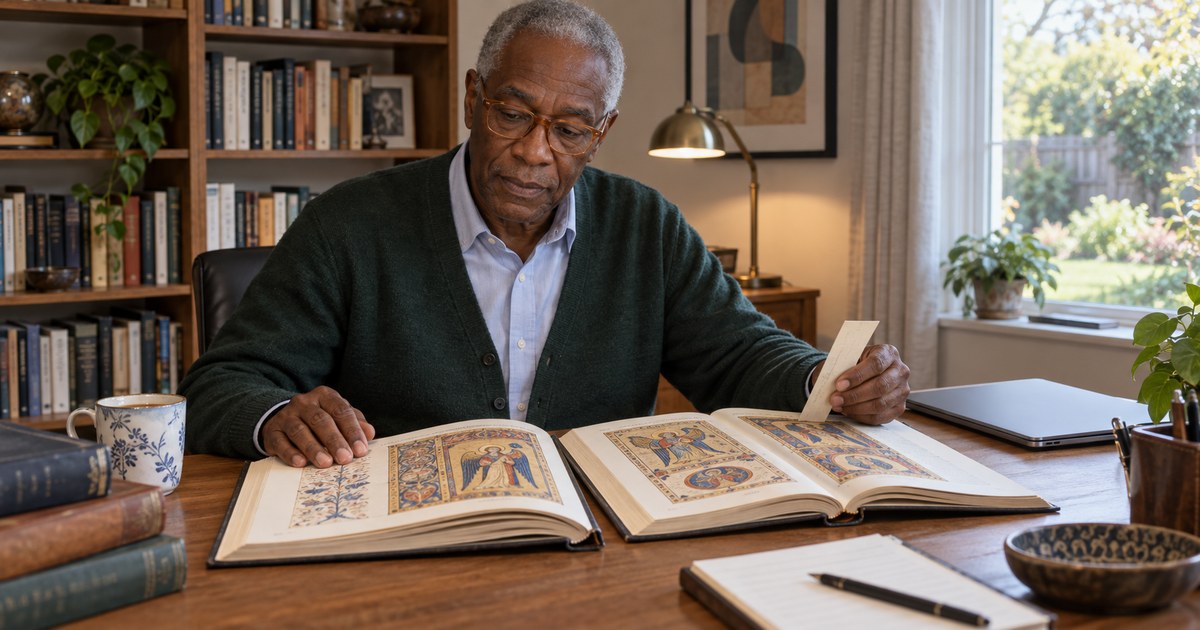
Artists translate difficult theological ideas into visible forms. Wings can suggest speed or heavenly status; many eyes can suggest awareness; fire can suggest holiness; military clothing can suggest protection. These are visual languages shaped by place and period.
The Metropolitan Museum of Art’s material on the angelic hierarchy in art uses the same three broad groups—councillors, governors and ministers—to explain later imagery. An artwork can illuminate a tradition without functioning as documentary evidence of how a spiritual being physically appears.
A practical way to read angel claims
- Identify the source: scripture, apocrypha, theologian, liturgy, artwork, folklore or modern channeling.
- Name the tradition: avoid saying “Christians believe” when a teaching belongs to one church, writer or era.
- Separate image from doctrine: a wheel, wing or robe may be symbolic.
- Limit certainty: private belief cannot establish another person’s thoughts or future events.
- Protect real-world decisions: use evidence and qualified help for health, safety, legal, financial or relationship matters.
A comforting angel practice may include prayer, reading, art or journaling. It should not require fear-based purchases, secret knowledge, isolation from support or ignoring urgent care.
Use the hierarchy as a study map
The nine choirs can organize reading and contemplation: seraphim, cherubim and thrones; dominions, virtues and powers; principalities, archangels and angels. The map becomes clearer—not weaker—when its history is named.
For a related approach to symbolic material, our guide to animal symbolism as respectful reflection shows how to distinguish personal meaning from universal claims. Our grounded manifestation guide similarly separates inspiring reflection from guarantees.
Faith, scholarship and art can ask different questions of the same tradition. Readers deserve to know which kind of answer they are receiving.
Frequently asked questions
Are the nine choirs of angels listed together in the Bible?
No. Biblical texts use several names in different passages. Pseudo-Dionysius later arranged nine names into three triads in an influential theological system.
What are the nine choirs in order?
In the Pseudo-Dionysian arrangement they are seraphim, cherubim, thrones; dominions, virtues, powers; principalities, archangels and angels.
Do all Christians accept the same angel hierarchy?
No. Traditions differ in terminology, canon, emphasis and interpretation. The nine-choir model is influential but should not be presented as one universal Christian view.
Are cherubim the winged babies seen in art?
Not in biblical descriptions. The childlike cherub is a later artistic convention influenced by putti and should be distinguished from scriptural cherubim.
Which archangels are named in scripture?
The answer depends partly on biblical canon. Michael is called an archangel; Gabriel is a named messenger, and Raphael appears in Tobit, which is not included in every Christian canon.
Can an angel message replace professional advice?
No. Personal spiritual beliefs may offer comfort or reflection, but health, safety, legal, financial and relationship decisions need evidence and appropriately qualified support.
Honestly, this reads more like a whimsical myth than any factual information. The notion of celestial beings meddling in human affairs seems quite far-fetched.
While the idea of angels having distinct roles and appearances is compelling, I can’t help but question the sources of these claims. Are there ancient texts or modern experiences that validate these assertions?
The beauty of faith is that it doesn’t always require empirical evidence. Many of these concepts are supported by religious scriptures and the experiences of believers.
Exactly my thoughts. Without concrete evidence, this remains a fanciful story rather than a credible account of spiritual entities.
This article provides a fascinating insight into the hierarchy and duties of angels. The descriptions are vivid and lend a sense of depth to our spiritual understanding.
So, basically, angels have more job titles than a corporate office. ‘Middle management angels’? Sounds like they need an organizational restructuring meeting!
It’s intriguing how the article categorizes angels into choirs and assigns them specific roles. One can’t help but wonder how these interpretations have evolved over time through different religious texts.